


|
World | Sudan Economy - Development | Politics Darfur shadow over Sudan donor conference
High officials from every continent were gathered as Norway's Prime Minister Kjell Magne Bondevik this morning opened the Oslo Donors' Conference on Sudan. Mr Bondevik said Norway would contribute with US$ 250 million to peace and reconstruction in Sudan over the next three years in his opening remark, urging other donors to make substantial pledges to secure the north-south peace.
The Sudanese government and the SPLM jointly seek US$ 2.6 billion in donor aid to reconstruct the country. A joint three-year development plan worth US$ 7.9 billion is to be financed mainly by Sudan and expected oil revenues, but in particular during the first year, donor support is needed. The plan includes infrastructure investments in the South worth more than US$ 1 billion, but as Mr Garang said, "I'm satisfied with just the roads, not the money." As donor pledges started coming in, a large part of the development aid for Sudan was allocated to the new so-called multi-donor trust funds, which are to be administered by the World Bank. This way it would be made sure that aid efforts were coordinated, following the wishes of Sudanese authorities and managed in a transparent way. Wolrd Bank managing director Shengman Zhang further promised the clearance of US$ million of Sudan's arrears to the Bank. The trust funds are to cover three geographical areas of Sudan, making it possible for donors only to sponsor their allies. One fund is for the South, which will attract many Western governments. Another is for the three most destructed provinces at the border between the North and South and the last is for development aid for Sudan at large. A grouping of civil society organisations, including Care and Save the Children, however was sceptical to the way donor funds would be used. So far, Rebecca Dale of the International Rescue Committee told afrol News, civil society had not been let engage sufficiently in the process and there were no guarantees that NGOs would be able to dra
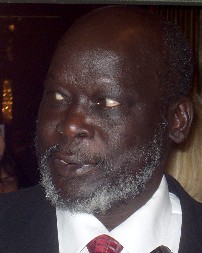
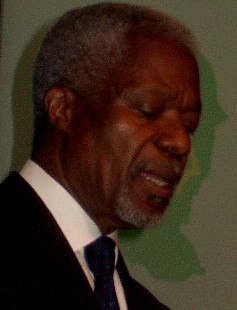
While the donor conference is a result of the north-south peace, the ongoing conflict in Darfur is an issue constantly referred to. Mr Garang of the SPLM, who will soon be part of a national unity government in Khartoum, promised donors that his movement was "conscious of its moral responsibilities of bringing peace to all the country," including Darfur. Vice-President Taha promised to enhance the peace talks in Abuja, Nigeria. The ongoing conflict in Darfur puts donors in a difficult situation. While there is a genuine interest in helping Sudan to consolidate the north-south peace, the international community is on a growing distance to the Khartoum regime over war crimes in Darfur. Few Western countries therefore want to channel funds via Khartoum, although wanting to be part in the rebuilding of the South. Vice-President Taha pointed to these double standards when he urged donors to "cancel Sudan's debt and the lifting of all sanctions" that have been imposed due to the war in Darfur. The Sudanese leader noted that the current sanctions against Sudan were undermining the country's ability to reconstruct and enhance economic growth. The sanctions could cost Sudan as much as the funds raised by the donors in Oslo, he pointed out. Also the UN leader sent a clear message regarding the situation in Darfur. Khartoum needed to understand the reaction of the international community, Mr Annan held. The referral of war crimes in Darfur to the International Criminal Court were "not aimed against the people of Sudan or the government of Sudan, but against individuals" that had committed terrible crimes, he said. Despite of this, donors needed to help all of Sudan to secure peace and growth. By staff writers © afrol News - Create an e-mail alert for World news - Create an e-mail alert for Sudan news - Create an e-mail alert for Economy - Development news - Create an e-mail alert for Politics news
On the Afrol News front page now
|







 front page
| news
| countries
| archive
| currencies
| news alerts login
| about afrol News
| contact
| advertise
| español
front page
| news
| countries
| archive
| currencies
| news alerts login
| about afrol News
| contact
| advertise
| español
©
afrol News.
Reproducing or buying afrol News' articles.
You can contact us at mail@afrol.com