


|
Algeria | Mali Politics Algeria, Mali distrust over al Qaeda fight
Diplomatic cables from several US embassies, published by Wikileaks, reveal that the announced concerted fight against Al Qaeda in the Sahara and Sahel region is moving ahead slowly. Algeria, Mali, Mauritania and Niger had announced a joint effort to hit back at the terrorists.
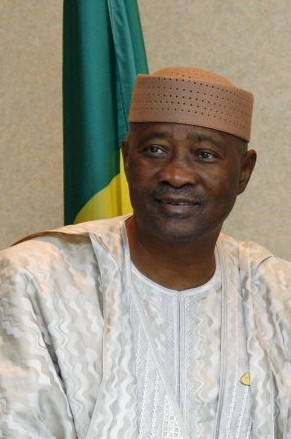
"Trust was an issue with Mali," he added. Although Algeria had provided materiel and training support to Mali to help resolve the Tuareg issue, it was not inclined to give Mali weapons and communications gear because of concerns that such equipment might be trafficked to Côte d'Ivoire or Guinea, Mr Guenaizia had said. Mali sees problem in Algeria Later on, in Mali, General Ward met with President Touré, who lamented that regional security cooperation appeared "to be stalled." While Niger and Mauritania were "good partners" for Mali, "military cooperation with Algeria is the problem," President Touré told the US Commander. The Malian President, according to the wire, "said the Algerians think we do not do anything, and they are not totally wrong, but we need Algeria's help in terms of air support. It is not just a matter of destroying a couple of [Al Qaeda] bases, we have to be able to hold the territory. The longer the situation drags on, the stronger the Salafists will get." President Touré revealed that he shared the widespread Malian distrust in Algeria and Algerian troops. The Malian President told General Ward he believed Algeria's intelligence services and army were holding up cooperation, and believed "the Algerian army is infiltrated with Salafists." There is a widespread rumour in Mali that the Algerian military intelligence itself runs the Al Qaeda in a push to increase its influence. President Touré however was seeing some progress, much thanks to enhanced US military cooperation and training of Malian troops, but also due to the end of a Tuareg rebellion in the north. He was further optimist about the holding of a regional security summit in Bamako within short time. Low Western profile Meanwhile, wires from the US embassy in Paris reveal that the US and its European allies wanted to do far more than just facilitating regional Sahel-Sahara military cooperation. Especially France wanted to assist Mali to establish four forward operating bases in its northern frontier, improve local administration in the north and forward judicial reform. US and European diplomats agreed it was necessary to keep a low profile and visibility in the anti-terrorism fight in the Sahel. US Assistant Secretary of S
Western diplomats agreed that, while both Niger and Mauritania were lacking capacities in the fight against terrorism, there was great "political will". Algeria was poised to take the regional lead. In Mali, however, there were both "capacity constraints" and there were "questions about the government's willingness to confront and engage [Al Qaeda] militarily." The analysis concluded there were "clear indications that [Al Qaeda] maintains a degree of impunity within its northern Mali 'sanctuaries'." US Counterterrorism Coordinator Daniel Benjamin noted that Mali "is perhaps becoming more helpful," but French speakers at the meeting had referred to the Malian position as "ambiguous" and "enigmatic". A further concern was the increasingly improving funding of Al Qaeda groups in the Malian desert. The terrorists were making "greater inroads into the West African narcotics trade," US and French intelligence had found. According to military sources in Algeria, wealthy and powerful families in Mali were involved in this business and a Malian bank was facilitating money transfers. Still no Bamako security summit Since the US cables from late 2009, distrust in the region went from bad to worse. In February 2010, the government of Mali freed four suspected terrorists in exchange for a French hostage held by Al Qaeda. Algeria and Mauritania subsequently withdrew their Bamako ambassadors in protest. The planned "Bamako of the Conference of Heads of State on peace, security and development in the Sahel-Saharan region" - which originally was to be held in 2009 to formalise the security cooperation on a political level - has still not been organised. On the contrary, Mauritania has even demanded that the venue of the summit be anywhere else than Mali. The summit has been off the agenda since March this year, as a downscaled foreign minister conference was held in Algiers. The main outcome of that conference was an "unequivocal" condemnation of "the payment of ransom and hostage taking," clearly directed towards Mali. By staff writer © afrol News - Create an e-mail alert for Algeria news - Create an e-mail alert for Mali news - Create an e-mail alert for Politics news
On the Afrol News front page now
|







 front page
| news
| countries
| archive
| currencies
| news alerts login
| about afrol News
| contact
| advertise
| español
front page
| news
| countries
| archive
| currencies
| news alerts login
| about afrol News
| contact
| advertise
| español
©
afrol News.
Reproducing or buying afrol News' articles.
You can contact us at mail@afrol.com