


|
South Sudan Economy - Development | Politics | Human rights What will the new South Sudan become?
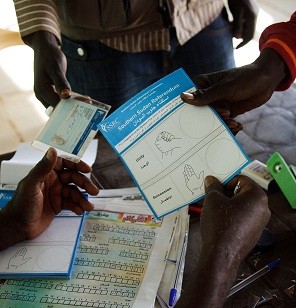
South Sudan's independence referendum started with a large voter turnout on Sunday. Already three days later, more than 60 percent of voters had cast their vote, securing the threshold needed to validate the ballot. Voters still have till tomorrow to participate in the referendum, while results are not expected until mid-February.
Today, a fragile peace deal between the Dinka Ngok and the Misseriya was negotiated by no one less than former South African President Thabo Mbeki - demonstrating the great war potential the international community sees in this local age-old ethnic conflict. For the new state, Abyei's attachment will also mean whether South Sudan starts its independence as an oil producer - with major revenues to build a new state - or not. South Sudan may have other major oil fields, but Abyei would be key to the new country's economy right from the start. Already, autonomous South Sudan is deeply dependent on Western donors, which also has implications on the new state's foreign policies and development priorities. Juba is already full of Western advisors, aiding policy decisions at all levels. American and European donors have pledged to maintain or even increase their high aid levels for an indpendent South Sudan. South Sudan, in any case, will be deeply depending on a good relation with Western powers right from the start to secure its economy as the new country will have a large foreign debt, inherited from Sudan. Sudan has a foreign debt totalling US$ 35 billion, out of which US$ 20 billion are accumulated interests from unsustainable loans made in the 1970s and 1980s. After South Sudan's expected independence, Khartoum and Juba are to negotiate on how this foreign debt will be divided. The North will argue that there should be a 50-50 divide, leaving the new country with an unsustainable foreign debt of US$ 17 billion. High interest rates would consume most of the new nation's limited national budget, meaning that President Kiir will have to start renegotiating foreign debts right away. This will lead the country into dependence of the International Monetary Fund (IMF), which will make tough demands on economic policies to make South Sudan eligib
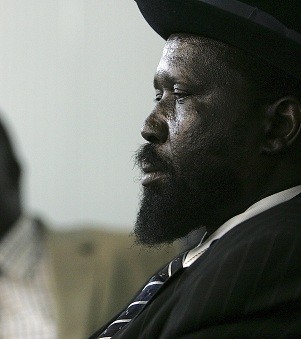
South Sudan, it therefore seems, will be born into dependence of the IMF and Western donors - a classic development trap. Not even oil revenues from Abyei would provide for full economic independence for the new Juba government. Dependent on Western donors, South Sudan's government will also feel the pressure to establish democratic institutions and respect human rights. The new country's attitude towards these values will probably mean a "make-or-break" for long-time aid levels for South Sudan. Eritrea is an example of a new country that was welcomed enthusiastically by Western donors at independence in 1993, but that was left on its own as the leadership turned totalitarian. According to Amnesty International, the ruling SPLM and its army, the SPLA, are already demonstrating a lack of respect - or understanding - of human rights. During the last year, journalists were "arbitrarily arrested and harassed," voters and members of the opposition were "harassed and intimidated" and protests and demonstrations were violently dispersed. The SPLM generally enjoys a large popularity in South Sudan, especially for being able to lead the country towards independence. This will probably provide President Kiir's party with many election victories in the future, without having to turn to undemocratic measures. But there are groups opposing the SPLM, including ethnic groups that fought the former rebel movement during the north-south war. South Sudan's long-term development will depend on how President Kiir handles these groups opposing him and if they are given a wide enough democratic room to criticise government and to point towards wrong-doings. While many development roads of South Sudan - in particular its dependence on Western donors - seem predestined, the open questions still dominate. The SPLM's attitude towards democratic values and human rights in a new, free South Sudan remains the largest open question with the greatest implications for the new state. By Rainer Chr. Hennig © afrol News - Create an e-mail alert for South Sudan news - Create an e-mail alert for Economy - Development news - Create an e-mail alert for Politics news - Create an e-mail alert for Human rights news
On the Afrol News front page now
|







 front page
| news
| countries
| archive
| currencies
| news alerts login
| about afrol News
| contact
| advertise
| español
front page
| news
| countries
| archive
| currencies
| news alerts login
| about afrol News
| contact
| advertise
| español
©
afrol News.
Reproducing or buying afrol News' articles.
You can contact us at mail@afrol.com